
Peru Travel Tips: Destinations, Culture and Practical Advice
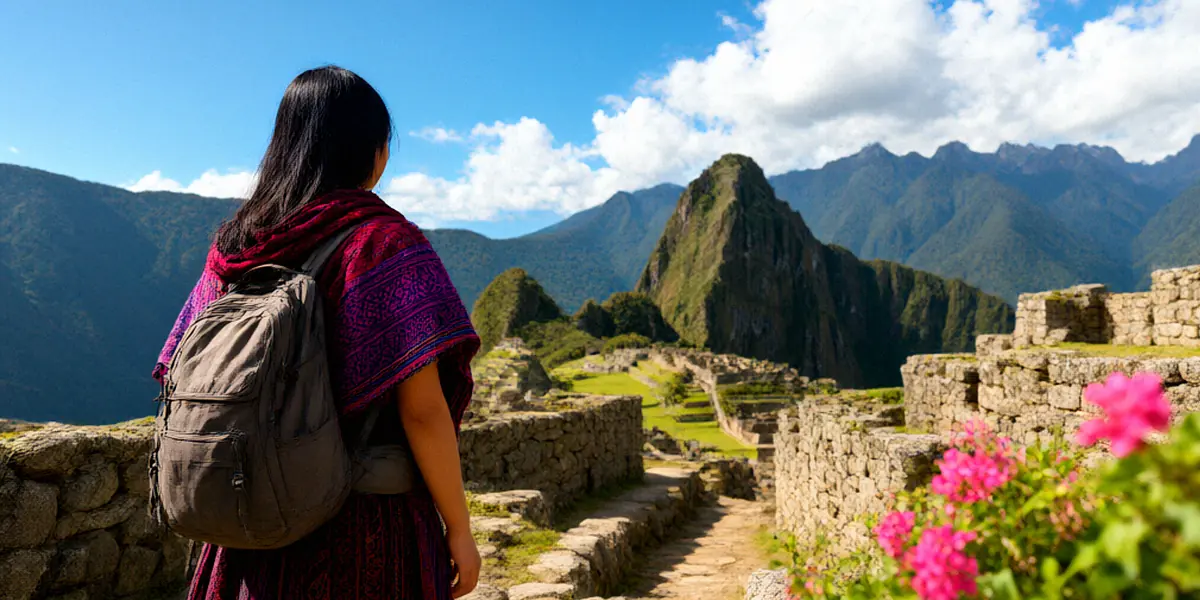
We still remember the exact moment the clouds lifted above the Sun Gate and Machu Picchu appeared below us, terraces glowing in the early morning light after four days of trekking the Inca Trail. Our legs were sore, our lungs had been tested by the altitude, and none of it mattered. That feeling — equal parts exhaustion, awe and disbelief that a place like this exists — is what drives every tip on this site. We have put together this guide so Australian travellers can plan a Peru trip that delivers that same moment, without the avoidable headaches.
Why Peru Should Be Your Next Big Trip from Australia
Peru is one of those destinations that rewards the long-haul flight. Yes, it takes the best part of a day (or more) to get there from Australia, but what waits on the other side is a country that packs Andean peaks, Amazon jungle, colonial cities, world-famous food and some of the most remarkable archaeological sites on the planet into a single itinerary. For Australians used to big distances, the effort is familiar territory — and the payoff is enormous.
Flights from Australia to Lima generally route through Santiago, Chile, or Auckland, New Zealand. LATAM Airlines and Qantas offer routes from Sydney and Melbourne via Santiago or Auckland, which means most travellers will transit through at least one hub before touching down in South America. The total journey time typically sits between 20 and 30 hours depending on connections, so we always recommend building in a rest day on arrival before launching into any serious sightseeing.
The best time to visit Peru for most Australians is the dry season, which runs from May to September. This coincides neatly with the Australian winter, making it an appealing escape from the cold at home. The trade-off is that June, July and August are also the busiest months on the Inca Trail and at Machu Picchu, so permits and train tickets sell out months in advance. If you can travel in May or September, you will get similar weather with slightly thinner crowds.
Altitude is the other big consideration. Cusco sits at roughly 3,400 metres above sea level, and even fit travellers feel it. We learned this the hard way on our first trip, arriving straight from Lima and trying to walk the city the same afternoon. The Australian government’s Smartraveller advice for Peru is worth reading before you go, particularly around altitude, trekking safety and insurance requirements.
Flight Routes and Airlines from Sydney, Melbourne and Brisbane
There is no direct flight from Australia to Peru, so every route involves at least one stop. The most common options we have used or researched are:
- Sydney or Melbourne to Santiago with Qantas or LATAM, then a connecting LATAM flight to Lima. This is often the smoothest routing and gives you the option of a stopover in Santiago.
- Sydney or Melbourne to Auckland with Qantas, Air New Zealand or LATAM, then LATAM’s Auckland–Santiago service, followed by a connection to Lima.
- Brisbane travellers typically connect through Sydney or Melbourne first, then follow one of the above routes.
Fares fluctuate significantly, but booking three to six months ahead usually secures the best pricing. We also suggest checking whether your ticket includes the Santiago–Lima leg, as some itineraries price this separately and it can add several hundred dollars.
Best Time to Visit Peru for Australian Holiday Schedules
Because Peru’s dry season overlaps with the Australian winter school holidays, June and July are peak season. That means higher prices, busier trains and a greater need to book everything early. Our preferred windows are:
- May and September: dry, clear and slightly quieter than mid-winter.
- Late April and October: shoulder season with occasional rain but fewer crowds.
- November to March: wet season in the Andes, though the coast and Lima remain largely dry and the Amazon is lush.
If your only option is the Australian summer holidays, the wet season is manageable — just expect afternoon showers on the Inca Trail and pack accordingly.
Altitude Sickness: What We Learned in Cusco
Altitude sickness is real, and it does not discriminate based on fitness. On our first trip, one of our fittest team members was the one who struggled most. The lessons we now swear by:
- Arrive in Cusco and do almost nothing on day one. Rest, hydrate and eat lightly.
- Consider spending your first night in the Sacred Valley (around 2,800 metres) instead of Cusco to acclimatise gradually.
- Drink plenty of water, avoid heavy alcohol and eat small meals.
- Coca tea is a mild help; soroche pills (acetazolamide) are more effective but should be discussed with your doctor before you leave Australia.
- Give yourself at least two to three days in Cusco before starting any trek.
Travel insurance with altitude cover is essential, because standard policies often exclude trekking above certain elevations.
Machu Picchu and the Inca Sites You Can’t Miss
Machu Picchu is the reason most Australians book a flight to Peru, and it deserves every bit of the hype. But the surrounding region is packed with Inca sites that are just as fascinating and far less crowded. We always tell travellers to treat Machu Picchu as the centrepiece, not the whole trip.
Entry to Machu Picchu is strictly regulated. Tickets are sold in timed slots through the official Ministerio de Cultura website, and you must choose a specific circuit when booking. Circuits determine which parts of the site you can visit, and some include the hike up Huayna Picchu or Machu Picchu Mountain. These sell out fast, especially in peak season.
Getting there is part of the adventure. Most travellers take a train from Ollantaytambo to Aguas Calientes, the small town at the base of Machu Picchu. PeruRail and Inca Rail operate trains from Ollantaytambo to Aguas Calientes for Machu Picchu, and both offer varying classes from basic to panoramic. From Aguas Calientes, you either take the shuttle bus up the switchback road or walk the steep stairs — we recommend the bus on the way up and the walk down if your knees allow.
Machu Picchu Tickets: How to Book from Australia
Booking from Australia is straightforward but requires planning. Here is the process we follow:
- Decide your date and preferred circuit well in advance — ideally two to three months ahead in peak season.
- Go to the official Ministerio de Cultura ticketing portal and create an account.
- Select your circuit, time slot and any add-on hikes like Huayna Picchu.
- Pay with an international credit card. Some Australian cards trigger fraud alerts, so notify your bank first.
- Print or download your ticket and carry your passport — it is checked at the gate.
Beware of third-party resellers charging inflated prices. The official site is the safest and cheapest route.
Inca Trail vs. Salkantay Trek: Which We Recommend
The classic four-day Inca Trail is the most famous route, and permits are limited to 500 people per day (including guides and porters). This means permits for June, July and August often sell out six months ahead. The trail is beautiful, historically rich and ends at the Sun Gate at sunrise — the moment we described at the top of this page.
The Salkantay Trek is the most popular alternative. It is longer, higher and more scenically varied, passing beneath the towering Salkantay mountain before descending through cloud forest to Aguas Calientes. It does not require a permit in the same way, so it is easier to book at shorter notice.
The Quarry Trail is a lesser-known option that starts near Ollantaytambo and offers a quieter, more intimate experience with fewer trekkers. We recommend it for travellers who want the trekking experience without the crowds.
- Choose the Inca Trail if you want the classic experience and can book early.
- Choose Salkantay if you want dramatic scenery and more flexibility.
- Choose the Quarry Trail if you prefer solitude and a slightly easier pace.
Sacred Valley Inca Sites: Pisac, Ollantaytambo and More
The Sacred Valley is dotted with Inca ruins, and each has its own character. Our favourites:
- Sacsayhuamán: the massive stone complex above Cusco, best visited in the late afternoon light.
- Ollantaytambo: a living Inca town with terraces climbing the hillside and the main departure point for Machu Picchu trains.
- Pisac: famous for its hilltop ruins and the bustling Sunday market in the town below.
- Choquequirao: the “other Machu Picchu,” reached only by a challenging two-day trek and far quieter.
A Boleto Turístico (tourist ticket) covers many of these sites and is worth buying if you plan to visit more than two or three.
Cusco, Lima and the Cities In Between
Peru’s cities are as memorable as its ruins. Cusco is the gateway to the Andes and a UNESCO World Heritage site in its own right, while Lima has quietly become one of the food capitals of the world. In between, Arequipa, the Colca Canyon and Lake Titicaca offer add-ons that can easily stretch a two-week trip into three.
Cusco: Acclimatise, Eat and Explore San Blas
Cusco is where most Peruvian adventures begin, and it rewards slow exploration. The historic centre is walkable, with the Plaza de Armas at its heart, but our favourite neighbourhood is San Blas. This hillside barrio is full of artisan workshops, boutique cafés and steep cobblestone lanes that feel a world away from the tourist bustle below.
We usually spend our first day in Cusco doing very little: a gentle walk, a long lunch and an early night. By day two, we are ready for the San Pedro Market, the Qorikancha temple and a pisco sour on a balcony overlooking the plaza. The altitude is no joke, so pace yourself.
Lima: Miraflores, Barranco and the Best Ceviche
Lima often gets skipped by travellers rushing to Cusco, which is a mistake. The city’s food scene is world-class, with three restaurants regularly appearing on global best lists: Central, Maido and Astrid y Gastón. Bookings are essential and should be made weeks in advance.
Miraflores is the polished, oceanfront district where most visitors stay. It is safe, walkable and full of restaurants. Barranco, just south, is bohemian and artsy, with colourful street art, boutique bars and a relaxed vibe. For ceviche, we head to a local cevichería at lunchtime — ceviche is a lunch dish in Peru, not dinner.
Arequipa, Colca Canyon and Lake Titicaca Side Trips
If you have extra time, these three add-ons are worth building into your itinerary:
- Arequipa: the “White City,” built from volcanic sillar stone, with a stunning monastery and easy access to Colca Canyon.
- Colca Canyon: one of the world’s deepest canyons and a reliable place to see Andean condors soaring on morning thermals.
- Lake Titicaca: the highest navigable lake in the world, with floating Uros islands and traditional communities on Taquile and Amantaní.
For getting around, PeruHop offers hop-on-hop-off bus passes aimed at travellers, while Cruz del Sur is a comfortable, reliable option for longer routes. Both are good choices depending on your style and budget.
Practical Advice for Australian Travellers
Peru is a relatively easy country to travel in, but a few practical details make a big difference. Australians can enter Peru visa-free for up to 90 days, which covers most holiday itineraries comfortably. Beyond that, it is about money, connectivity, insurance and packing smart.
Visas, Entry Rules and Travel Insurance for Aussies
Australians can enter Peru visa-free for up to 90 days as a tourist. On arrival, you may be asked to show proof of onward travel and accommodation, so keep those documents handy. Your passport should be valid for at least six months beyond your entry date.
Travel insurance is not optional in our view. Make sure your policy covers:
- High-altitude trekking (often defined as above 3,000 or 4,000 metres)
- Medical evacuation, which can be expensive in remote Andean areas
- Trip cancellation, especially if you have prepaid trek permits
- Lost baggage and delayed flights, given the multi-leg routing from Australia
Smartraveller provides official travel advice for Peru for Australian citizens, and we recommend checking it before you book and again before you fly.
Money, SIM Cards and Staying Connected in Peru
The Peruvian sol (PEN) is the local currency, and budgeting in AUD is common for Australian travellers. At the time of writing, one Australian dollar buys roughly 2.4 to 2.6 soles, but check current rates before you go. ATMs are widely available in cities, though fees vary. We usually withdraw larger amounts less often to minimise fees, and carry small notes for markets and taxis.
Credit cards are accepted at hotels and upscale restaurants, but cash is king in markets, small towns and for tips. Tipping is appreciated but not obligatory: 10% in restaurants, a few soles for porters and guides on treks.
For connectivity, Claro and Movistar are the main networks. A local SIM card with a data package is cheap and easy to buy in Lima or Cusco. Coverage is good in cities and along the Sacred Valley, but patchy on remote treks. Download offline maps before you go.
Packing List: From Amazon Humidity to Andean Cold
Peru’s climates vary dramatically, so layering is key. Our standard packing list includes:
- Moisture-wicking base layers and a warm mid-layer fleece
- A waterproof, windproof jacket for Andean evenings and Amazon showers
- Broken-in hiking boots and comfortable walking shoes
- Sun hat, sunglasses and high-SPF sunscreen (the sun is fierce at altitude)
- Insect repellent for the Amazon and Sacred Valley
- A reusable water bottle with a filter or purification tablets
- Quick-dry trousers and a swimsuit for hot springs
- A small daypack for ruins and treks
Leave the heavy denim at home — it is slow to dry and uncomfortable in humidity.
Food, Culture and Responsible Travel in Peru
Peruvian cuisine has become a global phenomenon, and eating your way through the country is one of the great pleasures of a trip. But Peru is also a country with deep Indigenous roots, and travelling respectfully matters. We try to balance enjoying the highlights with supporting the communities and environments that make them possible.
Must-Try Peruvian Dishes and Where to Find Them
You could spend a month in Peru and barely scratch the surface of its food. Our must-try list:
- Ceviche: fresh fish cured in lime juice, chilli and onion. Best eaten at lunch in Lima.
- Lomo saltado: stir-fried beef with onions, tomatoes and chips, a Chinese-Peruvian classic.
- Aji de gallina: creamy chicken stew with yellow chilli and walnuts.
- Anticuchos: grilled skewers, usually beef heart, sold on street corners.
- Pisco sour: the national cocktail, made with grape brandy, lime and egg white.
- Chicha morada: a sweet purple corn drink, perfect on a hot day.
In Cusco, try rocoto relleno (stuffed spicy pepper) and alpaca steak. In Arequipa, do not miss the local speciality of ocopa and queso helado.
Quechua Culture and Respectful Community Visits
Quechua is still spoken by millions of Peruvians, and many Andean communities maintain traditions that stretch back centuries. When visiting weaving cooperatives or rural villages, we follow a few simple rules:
- Ask before taking photos of people, especially in markets and villages.
- Buy directly from artisans rather than through middlemen where possible.
- Learn a few words of Quechua or Spanish — “sulpayki” means thank you in Quechua.
- Avoid treating communities as photo opportunities; engage respectfully.
Weaving cooperatives around Pisac and Chinchero are excellent places to buy authentic textiles and support local women directly.
Responsible Trekking and Eco-Friendly Choices
The Inca Trail and other popular treks place real pressure on the environment. We choose operators that treat porters fairly, manage waste properly and limit group sizes. Alpaca Expeditions is one company we have used and recommend for its porter welfare policies and environmental practices.
Single-use plastics are a growing problem on the trail. We carry a reusable bottle with a filter, refuse plastic bags and take all our rubbish out with us. Small choices add up, and the trail is better for it.
FAQ
Do Australians need a visa for Peru?
No. Australians can enter Peru visa-free for up to 90 days as a tourist. You may be asked to show proof of onward travel and accommodation, so keep those documents accessible.
What is the best time of year to visit Machu Picchu from Australia?
The dry season from May to September is the most reliable for clear weather. May and September offer the best balance of good conditions and slightly smaller crowds than the peak months of June and July.
How do I book Machu Picchu tickets from Australia?
Book directly through the official Ministerio de Cultura website. Choose your circuit and time slot, pay with an international credit card, and carry your passport and ticket on the day. Book two to three months ahead in peak season.
Is Peru safe for Australian travellers?
Peru is generally safe for tourists who take normal precautions. Check Smartraveller for the latest official advice, avoid displaying valuables, and use registered taxis or ride-share apps at night.
How much should I budget for a Peru trip in Australian dollars?
A comfortable two-week trip including flights, accommodation, trains, trek permits and food typically costs between AUD 4,000 and AUD 7,000 per person, depending on your travel style and how far in advance you book.
With careful planning, Peru is one of the most rewarding long-haul destinations an Australian can choose. The combination of Machu Picchu, the Sacred Valley, world-class food and warm Andean culture makes it worth every hour in the air. Start with our detailed guides on Machu Picchu tickets, Inca Trail permits and Cusco acclimatisation, and build your itinerary from there — your own sunrise at the Sun Gate is waiting.
Latest articles
- Sacsayhuamán and Other Sites around Cusco
 Sacsayhuamán and Other Sites around Cusco: A Guide for Australian Travellers We stood on the grassy esplanade below Sacsayhuamán, hoodies zipped to… Read more: Sacsayhuamán and Other Sites around Cusco
- Peruvian Festivals by Month
 Peruvian Festivals by Month: A Guide for Australian Travellers Timing your Peru trip around festivals can make or break your experience, especially… Read more: Peruvian Festivals by Month
- Machu Picchu Tickets and Circuits Explained
 Machu Picchu Tickets and Circuits Explained: A Guide for Australian Travellers We know the feeling. You have finally locked in leave from… Read more: Machu Picchu Tickets and Circuits Explained
- Lima’s Historic Centre: A Walking Guide
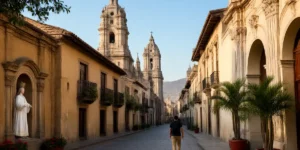 Lima’s Historic Centre: A Walking Guide Lima hits you before you’ve even cleared customs — a sprawling, horn-honking beast of ten million… Read more: Lima’s Historic Centre: A Walking Guide
- Lake Titicaca: Amantaní Island Homestays
 Lake Titicaca: Amantaní Island Homestays for Australian Travellers We still remember the moment our boat nudged against the stone jetty on Amantaní.… Read more: Lake Titicaca: Amantaní Island Homestays
- Getting to Peru from Australia
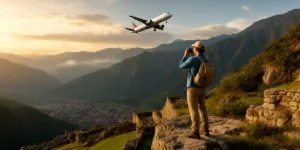 Getting to Peru from Australia: A Practical Guide for Aussie Travellers There are no direct flights from Australia to Peru. That’s the… Read more: Getting to Peru from Australia